When To Call For Emergency Tree Removal
A healthy tree can be a beautiful asset to any property, offering shade, privacy, and a sense of tranquillity. However, when a tree becomes damaged or unstable, it can quickly shift from an asset to a serious safety risk. For property owners, recognising when emergency tree removal is necessary is critical to protecting the home and surrounding structures, vehicles, and people. Waiting too long to address a hazardous tree can lead to devastating outcomes, while prompt intervention can help prevent further damage and restore safety.
This blog post explores some of the most common situations that require emergency tree removal and explains why working with qualified arborists is essential when managing these risks.
Severe Storm Damage Poses Immediate Hazards
Storms can cause significant damage to trees, often leaving them structurally compromised. Heavy winds, rain and lightning strikes place enormous stress on branches, trunks and root systems. In some cases, the damage may be immediately visible; in others, problems may only become apparent in the days following a storm.
After severe weather, signs of danger may include:
- Large branches cracked or hanging precariously
- Trees leaning at unusual angles or uprooted entirely
- Deep cracks or splits in the trunk
- Root systems exposed or lifting from the soil
Leaving storm-damaged trees unattended can lead to catastrophic collapse. When a tree threatens nearby structures or power lines, immediate removal by trained arborists is crucial.
Signs of Disease or Decay That Can’t Be Ignored
Tree diseases and internal decay often develop quietly, making them difficult to detect until significant damage occurs. Fungal infections, infestations and rot can weaken the tree from within, severely compromising its ability to support its weight.
Property owners should watch for the following warning signs:
- Large hollow sections within the trunk or major branches
- Extensive dead or dying limbs
- Fungal growths, such as mushrooms, at the tree’s base or on the trunk
- Bark peeling away in large sections
When decay reaches advanced stages, even light winds can cause the tree to snap or topple unexpectedly. In these cases, emergency removal is essential to eliminate the risk of falling branches or total tree collapse, which could endanger people, vehicles or nearby buildings.
Roots Damaging Property Infrastructure
Tree roots spread extensively underground in search of water and nutrients. While most root systems remain harmless, some can interfere with property foundations, underground utilities or paved surfaces. Over time, expanding roots may lead to serious and costly structural damage.
Signs that root-related damage may warrant emergency removal include:
- Cracks forming in driveways, paths or foundations
- Lifting of concrete slabs or uneven surfaces
- Blocked or damaged drainage systems
- Root systems visibly surfacing above ground
Arborists can assess whether a tree can be managed through root pruning or if full removal is necessary to protect your property.
Trees Threatening Power Lines & Utilities
Any contact between trees and power lines introduces serious safety hazards. Trees growing too close to utility infrastructure can spark electrical fires, trigger outages, and create electrocution risks. In many cases, councils and power companies mandate removal when trees interfere with electrical lines.
Key indicators of an urgent situation include:
- Branches physically resting on or touching power lines
- Trees leaning into power corridors or growing too close to electrical wires
- Visible sparks or burning odours near tree branches and wires
Emergency tree removal services have the equipment, training and certifications to remove trees near live electrical infrastructure safely. Attempting removal without proper expertise can be life-threatening, making professional assistance critical.
Tree Leaning or Shifting Suddenly
While some trees naturally grow at an angle, a sudden or recent lean can signal a serious underlying problem with the tree’s stability. Shifts often occur after periods of heavy rain, soil erosion, nearby excavation work or damage to the root system.
Potential causes of sudden leaning include:
- Saturated or eroded soil conditions
- Construction activities disturbing the root zone
- Partial root system failure due to decay or disease
When a tree leans significantly toward a structure, public pathway, or neighbouring property, it is at high risk of collapse. In such cases, arborists can quickly assess the tree’s stability and recommend safe removal if it poses a danger.
Fallen Trees Blocking Access or Posing Safety Risks
Fallen trees can immediately disrupt access routes, driveways, and public spaces. Trees resting on structures, fences, or pathways pose both safety and logistical problems that require immediate attention.
Urgent situations may include:
- Trees blocking driveways, roads or pedestrian walkways
- Fallen trunks resting against buildings, fences or vehicles
- Trees partially collapsed and are at risk of full failure
Attempting to clear fallen trees without proper equipment and expertise often results in additional property damage or personal injury.
Pre-Emptive Removal Before Construction or Renovation
Even healthy trees may need removal if they are too close to planned construction works. New developments can impact root systems and soil stability, increasing the risk of tree failure during or after building works. Proactive removal helps avoid costly delays or safety concerns as construction progresses.
Situations where pre-emptive removal may be advisable include:
- Trees located within excavation or foundation zones
- Large root systems extending beneath planned structures
- Risk of future property damage or interference with new developments
Qualified arborists can evaluate the location and risk level of trees near construction sites and recommend whether removal is the best course of action to avoid future complications.
Professional Arborists Provide Safe & Efficient Solutions
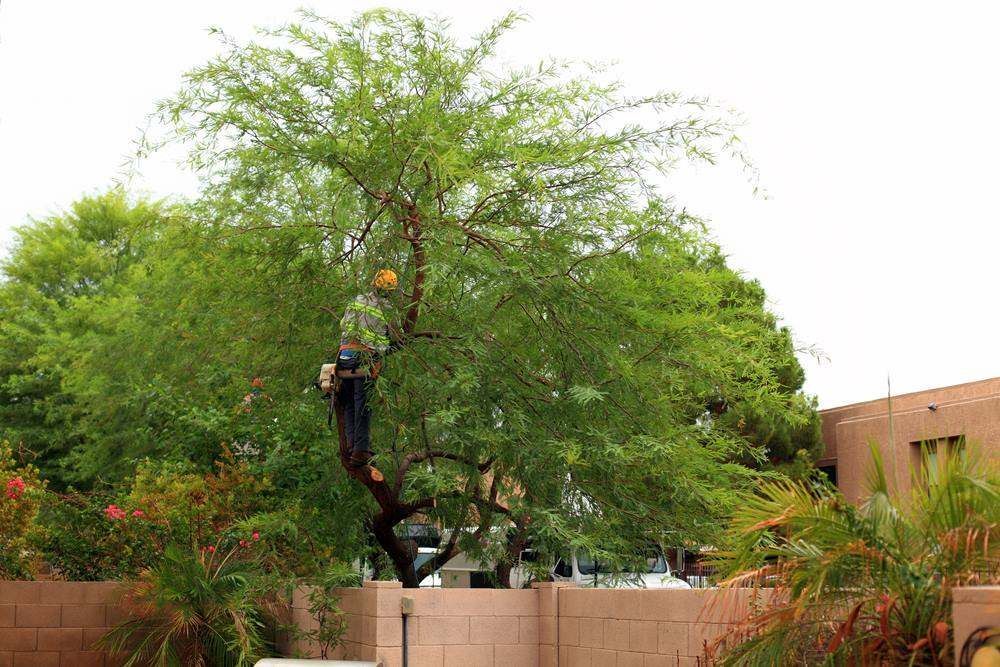
Emergency tree removal is complex, hazardous work that demands professional skill and equipment. Attempting DIY removal of large, compromised trees risks severe injury, property damage and legal liability.
Engaging qualified arborists ensures:
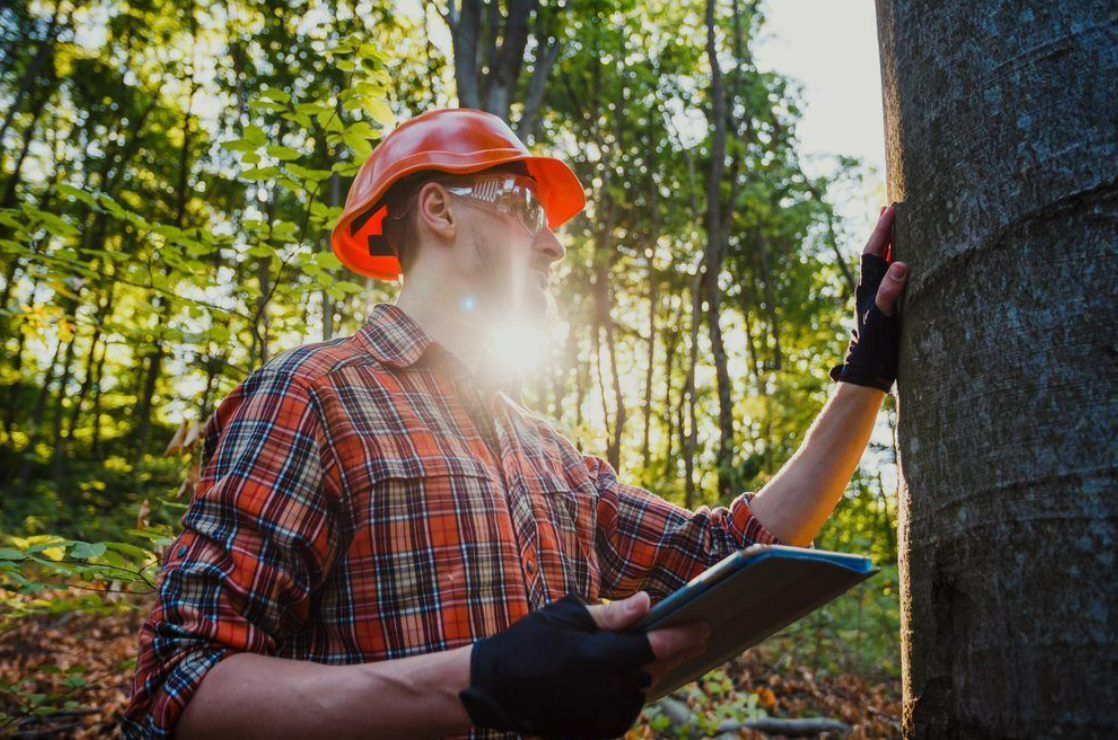
- Accurate assessment of tree condition and risks
- Use of specialised rigging and lifting equipment for safe removal
- Compliance with council regulations and permit requirements
- Efficient debris removal and site clean-up
Arborists dismantle hazardous trees section by section, reducing risks to nearby structures, people, and vegetation and ensuring the job is done safely and according to industry standards.
Speak with Us for Professional Tree Services in Toowoomba
At Cut Above Tree Care, we provide expert tree services in Toowoomba, including rapid-response emergency tree removal to help property owners manage hazardous trees safely and efficiently. If you’re concerned about a dangerous or damaged tree on your property, contact us today through our website or give us a call to book an assessment.