How Arborists Help Maintain Toowoomba's Mature Tree Canopy
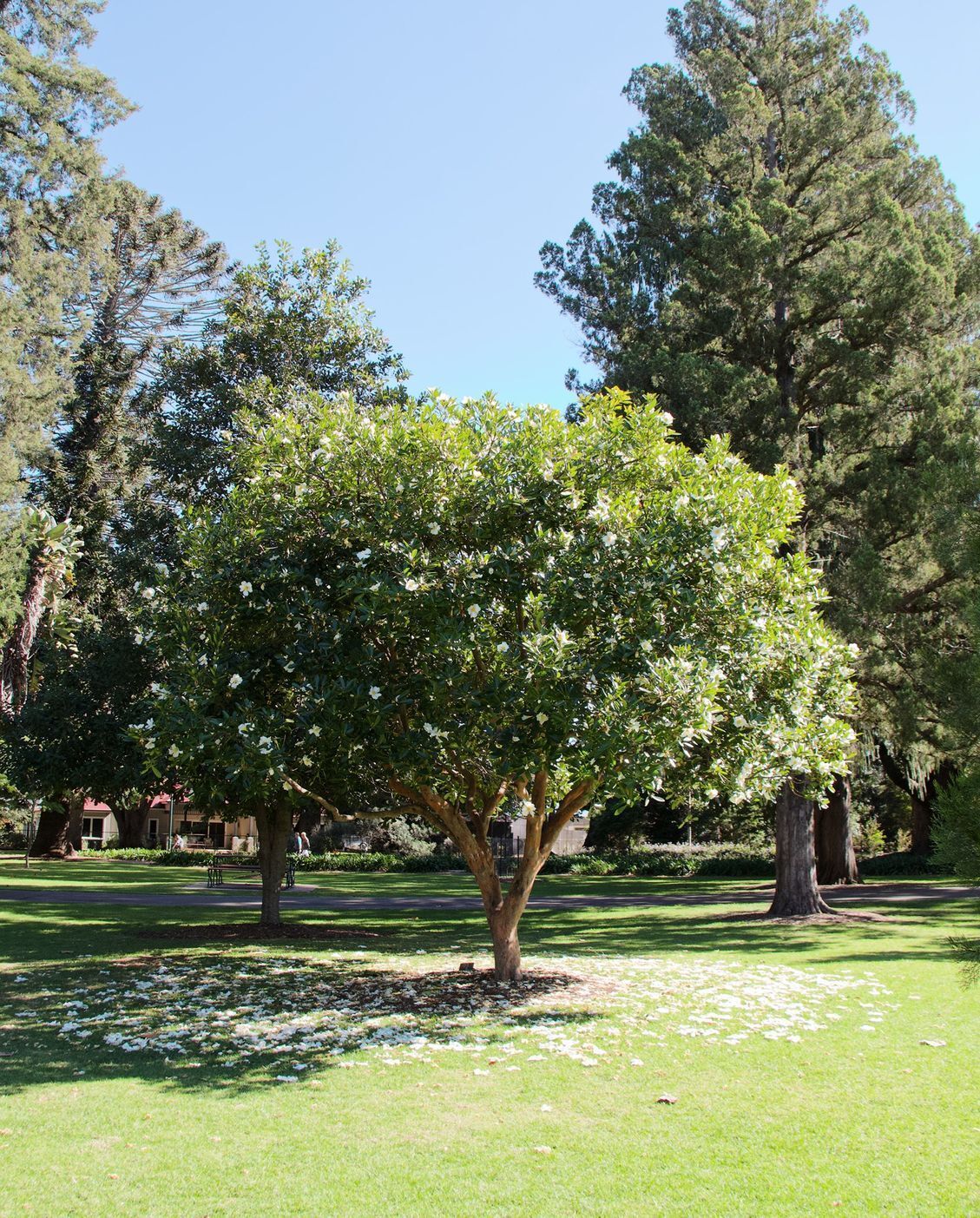
Toowoomba's reputation as the Garden City rests in large part on its trees. The established canopy across suburbs like East Toowoomba, Newtown and Middle Ridge represents decades of growth — elms, oaks, jacarandas, liquid ambers and a range of native species that contribute to the city's character and liveability. Maintaining that canopy requires more than occasional pruning. It requires understanding how mature trees function, what threatens them, and how to balance preservation with the safety requirements of an urban environment.
Why Toowoomba's Mature Tree Canopy Matters
Mature trees are not simply landscape features. They are functional infrastructure that provides measurable benefits to the properties and communities around them.
The environmental contributions of an established canopy include temperature regulation through shade and evapotranspiration, stormwater absorption through root systems and leaf litter, carbon sequestration, and habitat for birds and native fauna. In Toowoomba, where summer heat and periodic severe weather are regular features of the climate, the cooling effect of established tree canopy in residential streets and private gardens is a practical asset, not just an aesthetic one.
The property value dimension is equally well established. Mature trees on or adjacent to a property consistently attract a premium, and the removal of established trees — whether through neglect, disease or unnecessary clearing — represents a loss that takes decades to recover.
For local councils, schools, commercial properties and private homeowners alike, the question is not whether to maintain established trees but how to do so in a way that protects both the tree and the people and infrastructure around it.
How Arborists Assess Tree Health and Manage Risk
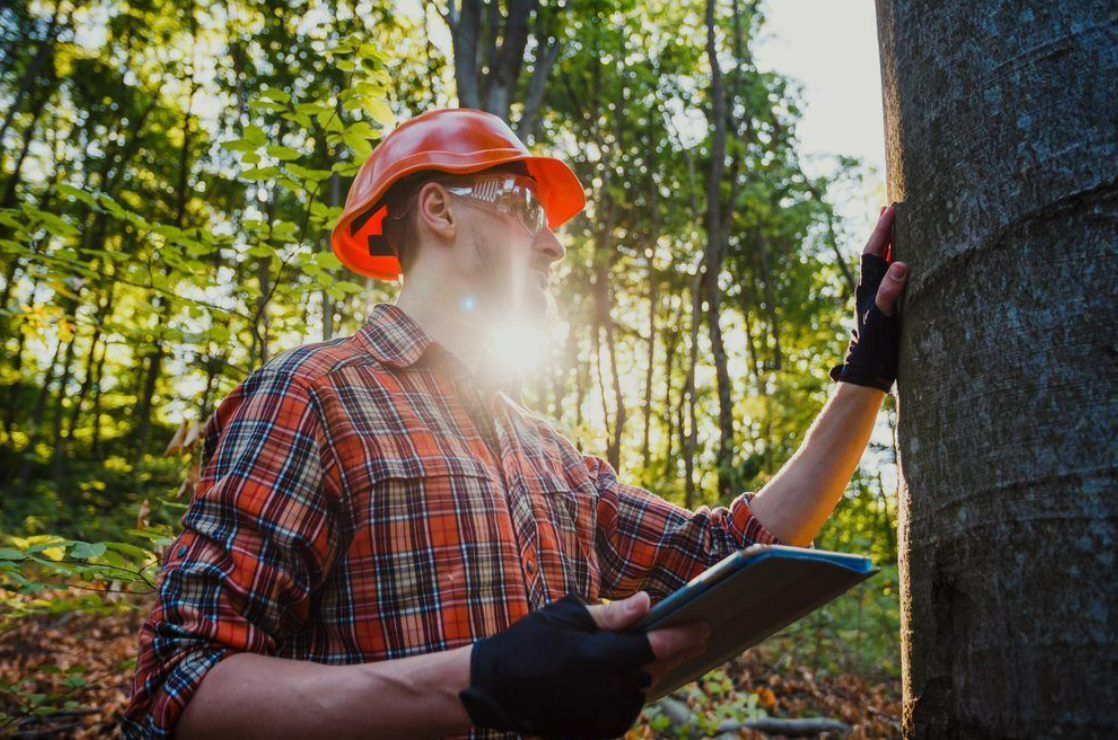
The starting point for any professional arboricultural work is assessment. A qualified arborist in Toowoomba evaluates the condition of a tree using a combination of visual inspection, knowledge of species-specific characteristics, and an understanding of the site conditions that affect how that tree grows and responds to stress.
Key elements of a professional tree health assessment include:
- Structural integrity: checking for included bark at branch unions, co-dominant stems, decay pockets, cavities and root zone issues that affect how the tree bears its own weight and responds to wind loading
- Canopy condition: assessing leaf density, colour and distribution to identify signs of nutrient deficiency, water stress, pest infestation or disease
- Root zone health: examining the soil condition around the base of the tree, signs of compaction, evidence of root damage from excavation or surface sealing, and fungal growth at the base that may indicate decay in the root system
- Pest and disease identification: diagnosing specific conditions such as phytophthora root rot, myrtle rust in native species, borer activity or scale infestations that require targeted treatment rather than generic maintenance
The outcome of an assessment is a clear picture of the tree's current condition, the risks it presents, and the maintenance actions that will most effectively extend its life and manage any hazards. This evidence-based approach is what distinguishes professional arboricultural work from general garden maintenance.
Pruning, Maintenance and Preservation Strategies for Mature Trees
Pruning mature trees is a technical undertaking that requires an understanding of how the tree will respond to each cut. Incorrect pruning — cutting too close, leaving excessive stubs, removing too much canopy at once, or making poor pruning decisions that expose large wound surfaces — can cause lasting damage that is often worse than no pruning at all.
The primary pruning objectives for mature trees in an urban environment include:
- Deadwooding: removing dead, dying or structurally compromised branches that present a hazard to people and property below. In Toowoomba's storm season, dead wood in the canopy of a large tree is a genuine liability.
- Crown thinning: selectively removing branches throughout the canopy to improve light penetration and airflow without significantly reducing the overall canopy volume. Thinning reduces wind resistance and the risk of branch failure in high winds while maintaining the tree's form and function.
- Crown lifting: removing lower branches to provide clearance for pedestrians, vehicles, buildings and power lines, and to improve sight lines where required.
- Formative pruning: for younger or semi-mature trees, removing problematic co-dominant leaders or crossing branches before they develop into structural issues reduces the long-term risk profile of the tree.
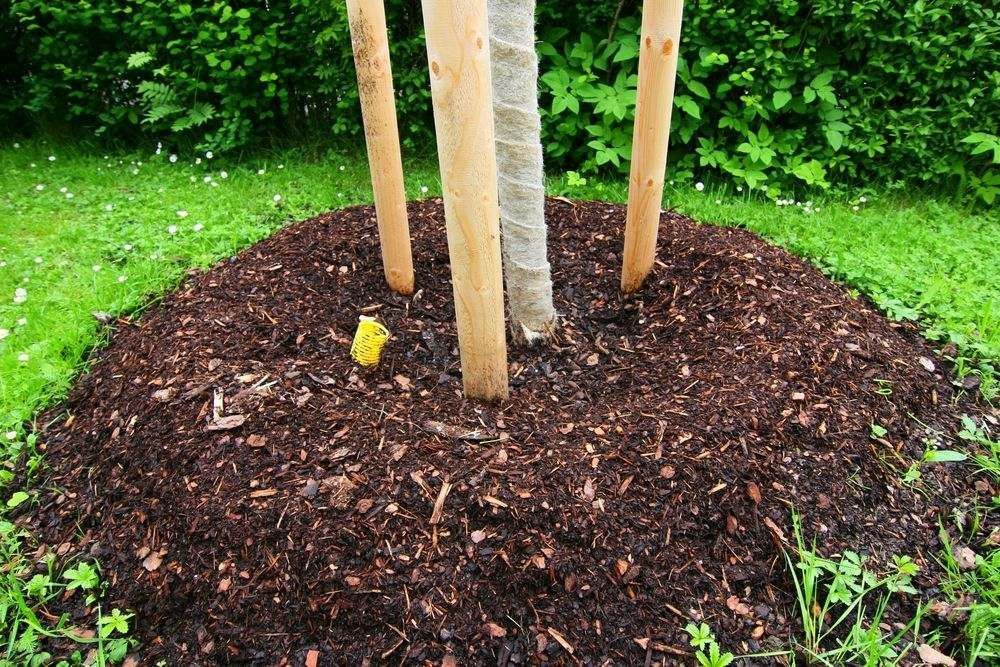
Beyond pruning, preservation strategies for mature trees include soil aeration and amendment to address compaction, targeted fertilisation where nutrient deficiencies are identified, mulching of the root zone to retain moisture and moderate soil temperature, and vertical mulching or air spade work to improve root zone conditions around trees that have been affected by construction or paving.
The Environmental and Property Value Benefits of a Well-Maintained Canopy
The connection between canopy maintenance and environmental benefit operates at both the individual tree and the landscape scale.
A maintained mature tree is a more resilient tree. Regular professional care identifies and addresses developing problems before they become critical, extending the productive life of the tree and ensuring it continues to provide its full range of environmental services. A neglected mature tree that develops significant structural problems or disease is much more likely to require removal — and the environmental cost of removing an established tree, in terms of the lost canopy it represented, is not recoverable in any useful timeframe.
For property owners, the calculus is similar. A well-maintained mature tree is an asset. An unmaintained tree that becomes a hazard, causes damage to fences, buildings or infrastructure, or dies and requires emergency removal is a liability. The cost of regular professional maintenance is consistently lower than the cost of emergency work or remediation after something goes wrong.
Commercial properties, schools and community facilities with mature trees on-site also carry a duty of care obligation that makes professional arboricultural assessment a risk management requirement as well as a landscape maintenance practice.
Balancing Preservation with Safety: Storm Damage, Disease and Infrastructure
The tension between preserving established trees and managing the risks they present is where professional arboricultural judgement is most important. Not every tree can or should be preserved indefinitely, and not every hazardous tree needs to be removed.
Storm damage: Toowoomba's severe weather events — hail, high winds and the occasional significant rain event — regularly produce storm damage in established trees. The response to storm damage should be a professional assessment, not immediate emergency removal. A tree that has lost a major limb may retain most of its structural integrity and continue to be a viable asset. A tree that has split at a co-dominant union may require removal. An arborist can make this determination accurately; a general response of removing all storm-affected trees destroys established canopy unnecessarily.
Disease and pest infestation: many conditions that appear catastrophic are manageable with targeted treatment if identified early. Arborists with local knowledge of the pest and disease profiles affecting Toowoomba's tree population can recommend effective treatment options for conditions that are responsive to intervention, and give an honest assessment of when treatment is unlikely to change the outcome.
Infrastructure conflict: mature trees and built infrastructure occupy the same space. Root systems interact with footings, pipes and paving; canopies grow into powerlines and structures. The professional approach to infrastructure conflict is to find the least damaging response for both the tree and the infrastructure, which may involve directional pruning, root deflection systems, or in some cases partial removal — but should not default to full tree removal as the first option.
When to Call in a Professional Arborist
The practical answer is: before the problem becomes urgent. Mature trees that receive regular professional attention are significantly less likely to develop the acute hazards — branch failures, disease progression, structural compromise — that require costly emergency intervention.
Specific situations that warrant professional arboricultural assessment include:
- Any significant change in a tree's appearance — unusual leaf drop, dieback in sections of the canopy, fungal growth at the base or on the trunk
- Trees that have sustained storm damage or had branches removed by weather
- Trees near buildings, structures, power lines or high-traffic areas that have not been assessed in recent years
- Trees on properties undergoing construction or renovation, where root zones may be affected by excavation, compaction or changes to drainage
- Any situation where tree removal is being considered — professional assessment may identify alternatives to removal that preserve the asset
Toowoomba's mature tree canopy is a shared resource that contributes to the city's quality of life, its environmental resilience and the character of its established neighbourhoods. The role of professional arborists in maintaining that canopy is not incidental — it is the practical mechanism through which trees that have taken decades to establish continue to provide value for decades more.
Contact Cut Above Tree Care to arrange a professional arborist assessment for the trees on your Toowoomba property.