How to Tell if a Tree Is Dying: A Guide for Toowoomba Properties
A thinning canopy, dead branches, trunk damage, fungal growth or movement around the roots can all be signs of a dying tree. Not every symptom means the tree is beyond saving, but spotting several warning signs together is a good reason to arrange professional tree services in Toowoomba before the problem becomes harder — or less safe — to manage.
Cut Above Tree Care assesses trees throughout Toowoomba, Highfields, Roma, St George, Charleville and Cunnamulla. Here’s what to look for and what to do if you suspect a tree on your property is declining.
Common Signs of a Dying Tree
1. Unusual Bark Loss or Damage
Bark protects the living tissues underneath, so widespread areas of missing, loose or damaged bark can point to declining tree health. Look more closely if the exposed area is accompanied by deep cracks, soft or decaying wood, insect activity or sections of the tree that have stopped producing healthy growth.
Bark shedding on its own does not necessarily mean a tree is dying. Many eucalypts naturally shed bark as part of their normal growth cycle. What matters is whether the change is normal for that species and whether other symptoms are developing at the same time.
2. Sparse or Discoloured Foliage
A noticeable reduction in foliage during the tree's normal growing season can indicate stress or decline. Warning signs include sections of unusually sparse canopy, leaves that are smaller than normal, premature leaf drop or widespread yellowing and browning that cannot be explained by the tree's seasonal cycle.
Compare the affected tree with healthy trees of the same species where possible. One bare branch may simply be dead wood; widespread loss of foliage across several major limbs deserves closer investigation.
3. Dieback in the Upper Canopy
Stand well back and look at the top of the tree. Bare branch tips sticking out above an otherwise leafy crown — sometimes called stagheading — can indicate canopy dieback. Dieback often progresses from the tips of branches towards larger limbs as a tree struggles to support its canopy. It can have several causes, so the pattern needs to be assessed alongside the condition of the trunk, roots, foliage and surrounding soil. Significant or rapidly increasing dieback is a good reason to arrange an arborist assessment.
4. Signs of Termites, Borers or Other Pests
Holes in the bark, insect galleries, sawdust-like material around the trunk or unusual insect activity can indicate that pests are affecting the tree. Termites and wood-boring insects may also exploit wood that has already been weakened by stress, injury or decay. Pest activity therefore doesn't automatically tell you why a tree is declining. An arborist can inspect the broader condition of the tree and determine whether pest damage is the primary problem or a symptom of an existing weakness.
5. Fungal Growth Around the Trunk or Roots
Mushrooms or other fungal fruiting bodies growing from the trunk, major roots or immediately around the tree's base warrant attention, particularly when they appear alongside cavities, dead wood or canopy decline. Some fungi break down dead organic matter without posing a major structural problem. Others may be associated with decay in important roots or trunk wood. Because much of this activity can occur inside the tree or below ground, the visible fungus is a reason to investigate rather than proof that the tree must be removed.
6. Deep Cracks or Cavities in the Trunk
Small bark imperfections are common, but deep vertical cracks, large cavities and areas of soft or decaying wood can affect a tree's structural integrity.
Pay particular attention to defects near major branch unions or at the base of the trunk. A tree can remain alive while containing substantial decay, so healthy-looking leaves don't necessarily rule out a structural problem. Avoid probing or cutting into a cavity yourself; professional assessment can determine how much sound wood remains and whether action is needed.
7. Dry Soil and Signs of Water Stress
Prolonged dry conditions can put trees under significant stress, especially when the soil around the root zone becomes very dry. Symptoms may include wilting, premature leaf drop, reduced growth and progressive canopy dieback. Dry soil alone does not mean a tree is dying. The underlying issue could involve drought stress, root damage, soil conditions or several factors at once. For more local context, read our guide to Toowoomba's climate and soil conditions.
8. A New Lean or Movement Around the Roots
A tree that has always grown at an angle isn't necessarily unsafe. A new or worsening lean is different, particularly if you notice cracking or lifting soil, exposed roots or movement around the base. These changes can indicate that the root plate has shifted or that the tree's anchorage has been compromised. This requires prompt attention, especially after severe weather or where the tree could reach a building, road, driveway or other occupied area if it failed.
9. Dead or Hanging Branches
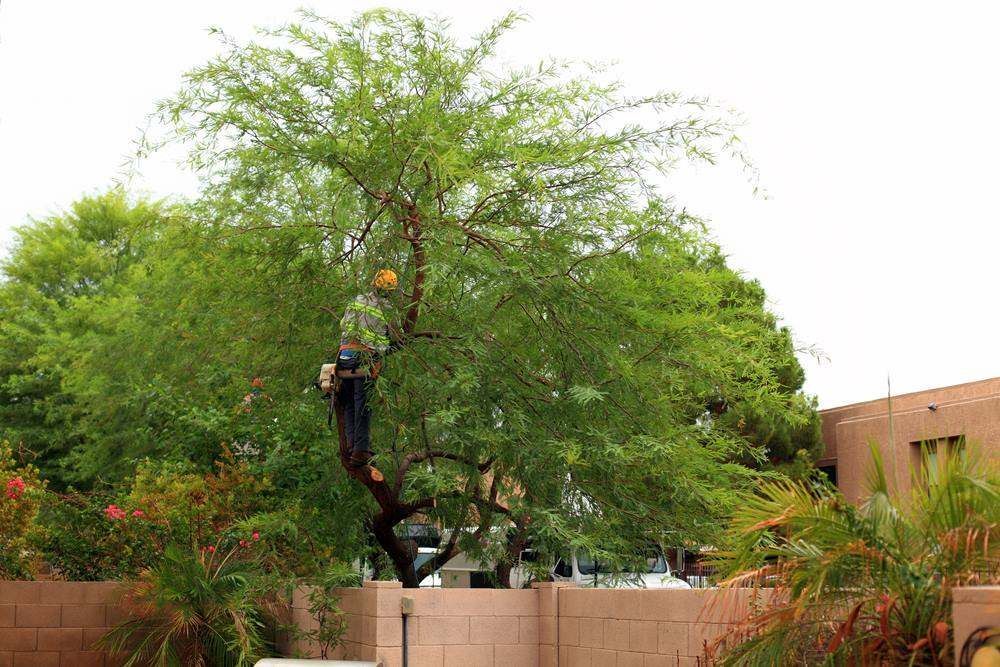
Dead branches can remain attached to a tree long after the tissue has died. Larger dead limbs are particularly concerning because they can eventually break away, with wind and storms increasing the likelihood of failure. Look for branches without live foliage, brittle twigs, missing bark or obvious decay. If the affected limb sits above your house, driveway, play area or another frequently used part of the property, have it professionally assessed rather than attempting to remove it yourself.
10. Decay or an Unusual Odour
Advanced decay can sometimes produce an unusual smell, particularly where wood is wet, soft or decomposing. However, smell isn't a reliable diagnostic test on its own. Instead, look for it alongside more useful indicators such as cavities, fungal growth, loose wood, dead branches or declining foliage. An arborist can assess whether decay is localised or whether it affects parts of the tree that are important to its stability.
Dying vs Dead: How to Tell the Difference
A declining tree may still have living tissue and, depending on the cause and extent of the damage, may have treatment options. A dead tree has lost living tissue and cannot recover. On a small accessible twig, gently scratching a tiny area of the outer bark may reveal green, moist tissue underneath, which indicates that section is alive. A small twig that bends before breaking may also contain living tissue, while a completely dry, brittle twig that snaps easily may be dead.
These simple checks only tell you about the part you tested. They cannot establish the health or structural safety of an entire mature tree, so avoid climbing the tree or cutting into large branches to investigate.
Can a Dying Tree Be Saved?
Sometimes. The chances of saving a declining tree depend on the underlying cause, how far the problem has progressed and whether its structure remains safe. An arborist assessment should come first because treating the wrong problem can waste time or make matters worse.
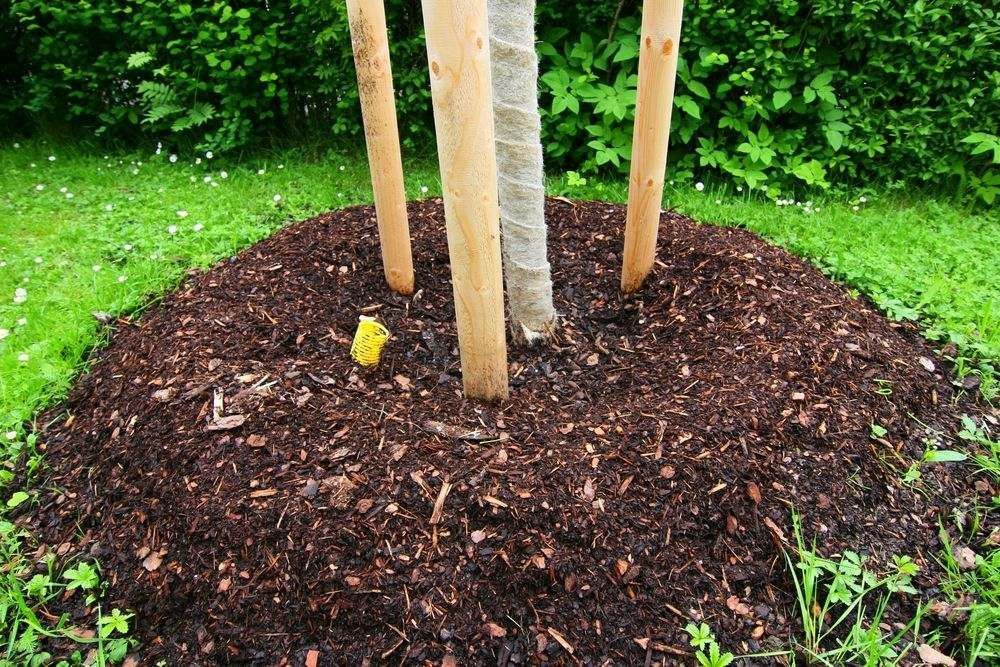
Depending on the diagnosis, management may include targeted tree pruning to remove dead or diseased wood, improving soil conditions, treating an identified pest problem, watering appropriately during dry spells or applying mulching around the root zone. Early intervention generally gives you more options than waiting until extensive canopy or structural decline has developed.
When a Dying Tree Becomes a Safety Risk
Tree health and tree safety aren't always the same thing. A declining tree becomes a more immediate concern when dead or weakened parts could strike people, buildings, vehicles, fences or other infrastructure.
Large dead limbs over homes and driveways, a rapidly changing lean, root plate movement or major structural cracks warrant prompt professional attention. Storms and strong winds can place additional loads on already weakened trees and branches.
Keep clear of a tree that appears unstable. If a damaged tree or large limb creates an immediate hazard, Cut Above Tree Care provides emergency tree removal and 24/7 storm response.
Local Tree Health Problems to Watch For
Trees across Toowoomba and the Darling Downs can experience periods of dry weather and moisture stress, while termites, borers and dieback may also contribute to declining tree health. The cause isn't always obvious from one symptom, which is why diagnosis matters before pruning, treatment or removal begins.
Cut Above Tree Care works across Southern Queensland and provides tree health assessments and practical advice for local properties. For more information about the business and its tree care services, visit the Cut Above Tree Care homepage.
What Should You Do If You Think a Tree Is Dying?
Don't assume a struggling tree needs to come down. Start with an assessment to identify whether you're dealing with temporary stress, a treatable health problem, significant decay or a structural hazard.
If you've spotted several of the signs above, Cut Above Tree Care provides tree services in Toowoomba and can assess the condition of the tree and the appropriate next step. Where a tree cannot be retained safely, the team can also advise on tree removal.
For reliable tree services in Toowoomba, call Cut Above Tree Care on
0412 303 650.
Frequently Asked Questions
How do I know if my tree is dying or just stressed?
A stressed tree may show temporary leaf loss, wilting or reduced growth while retaining healthy living tissue. Progressive canopy dieback, extensive dead wood, decay, root movement or several symptoms occurring together can indicate more serious decline. An arborist assessment is the safest way to establish the cause.
Can a dying tree be saved?
Some declining trees can recover when the underlying problem is identified early enough. Treatment might involve corrective pruning, pest management, soil improvement, appropriate watering or mulching, but the right approach depends on the diagnosis and the tree's structural condition.
Is it normal for gum trees to shed bark?
Yes. Bark shedding is a normal characteristic of many eucalypt species and does not automatically indicate poor health. Investigate further when unusual bark loss occurs alongside cracks, decay, pest activity, dead branches or canopy decline.
Is a dead tree dangerous?
It can be. As dead wood dries and deteriorates, branches can become more likely to break, while decay or root failure may affect the stability of the whole tree. The level of risk depends on the tree's condition, size, location and what could be struck if part of it failed.
Do I need council approval to remove a dead tree in Toowoomba?
Requirements can depend on the property, tree and applicable planning or vegetation controls, so confirm the current local rules before removing a protected or regulated tree.