How Toowoomba's Climate & Soil Conditions Affect Mature Tree Health
Toowoomba's elevation, frost-prone winters and hailstorm-heavy springs put mature trees under a unique kind of pressure that coastal Queensland simply doesn't experience. Add clay-heavy soils and drainage issues into the mix and it's no surprise that any experienced arborist in Toowoomba spends as much time diagnosing environmental stress as they do pruning and removing.
Why Toowoomba's Elevation & Climate Create Unique Challenges for Trees
Sitting at roughly 700 metres above sea level on the Great Dividing Range, Toowoomba experiences a climate that behaves more like a tablelands town than a typical Queensland city. Cooler air, sharper temperature swings between day and night and weather patterns that shift quickly all place additional stress on mature trees.
Trees that would thrive without issue in Brisbane or on the Sunshine Coast often show different growth patterns here. Root systems, canopy density and even bark structure adapt over decades to these local conditions, which is why generic tree care advice doesn't always translate well to a Toowoomba property.
This is also why local knowledge matters so much in tree services Toowoomba property owners rely on. Understanding how elevation shapes a tree's lifecycle isn't optional background information — it directly affects pruning schedules, disease monitoring and long-term health planning.
How Frost & Cooler Winters Affect Established Trees
Frost is a genuine factor in Toowoomba's tree health equation, unlike in most of coastal Queensland. Established trees generally cope better with frost than younger specimens but repeated cold snaps can still cause dieback in outer branches, delayed spring growth and increased vulnerability to pests once warmer weather returns.
Species that aren't naturally suited to cooler winters often show the clearest signs of frost stress. Leaf discolouration, brittle new growth and slower canopy recovery in spring are common indicators worth watching for on any established tree.
Mature tree care Toowoomba residents carry out through winter should factor in this frost exposure. Timing major pruning work to avoid opening up fresh wounds right before a cold snap, for example, gives a tree the best chance to heal before stress compounds.
Spring Hailstorms & The Damage They Cause To Mature Trees
Toowoomba's spring storm season, generally running from September through to December, brings a real risk of hail damage to mature trees. Unlike wind alone, hail causes direct physical injury such as stripped bark, split branches and damaged foliage that can leave a tree vulnerable to disease and pest entry points for months afterwards.
Older, larger trees often suffer the most visible damage simply because they have more surface area exposed to the storm. A canopy that looks intact from the ground can still be hiding cracked limbs or torn bark higher up, which is why a proper inspection after any severe storm matters.
Property owners dealing with storm damage trees should treat any hail event as a trigger for a health check, not just a clean-up job. For a deeper look at recovery steps, our guide on maintaining tree health after storm damage covers the process in more detail and our storm damage response team is available when damage needs urgent attention.
Soil Compaction & Drainage Issues In Toowoomba's Clay-Heavy Soils
Toowoomba's clay-heavy soils create their own set of challenges, separate from anything weather-related. Clay compacts easily under foot traffic, vehicle access or construction work, which restricts root growth and limits the oxygen and water reaching a tree's root system.
Drainage is the other side of this problem. Clay soils hold water rather than letting it drain through, so root zones can end up waterlogged after heavy rain, then rock hard and cracked during dry spells. Both extremes stress a mature tree's root system over time.
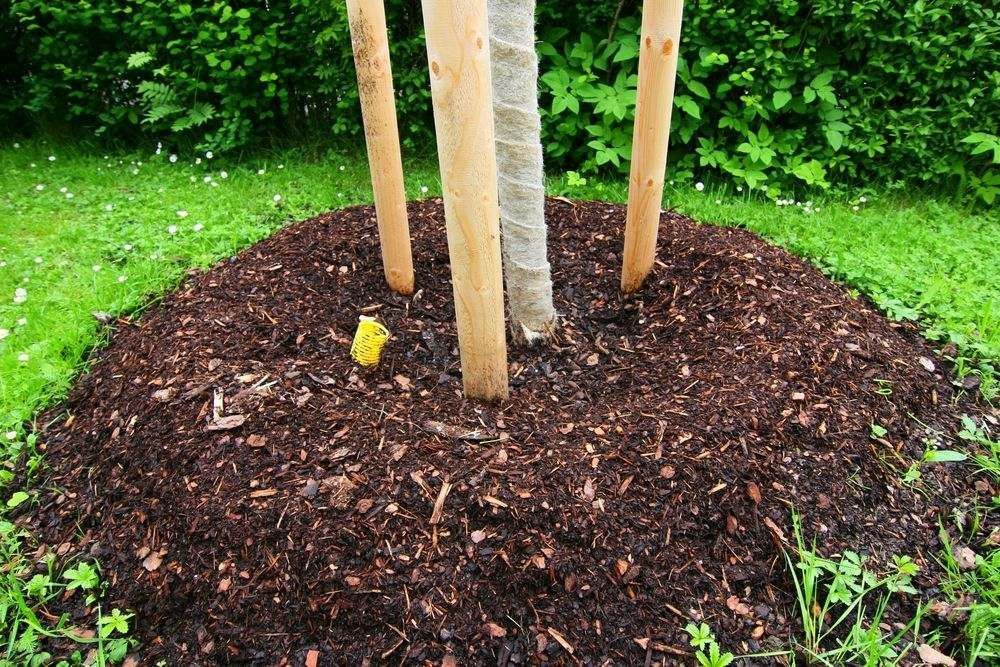
Compaction and drainage issues often go unnoticed because the visible symptoms (thinning canopy, slower growth, leaf drop) show up gradually rather than overnight. Regular soil assessment around established trees, particularly on properties with recent landscaping or construction nearby, helps catch these issues before they become serious.
Declared Weeds Like Camphor Laurel & Local Removal Considerations
Camphor laurel is a declared weed in Queensland and a species that turns up regularly on established Toowoomba properties, often planted decades ago before its invasive nature was well understood. Its aggressive root system competes heavily with surrounding vegetation and its spread by seed means it can establish itself well beyond where it was originally planted.
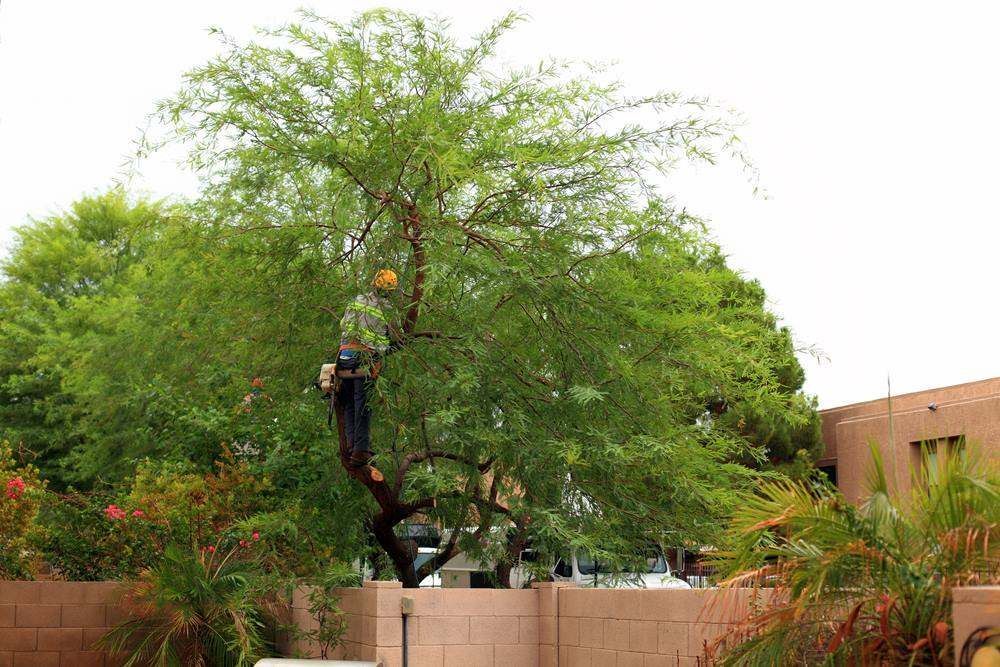
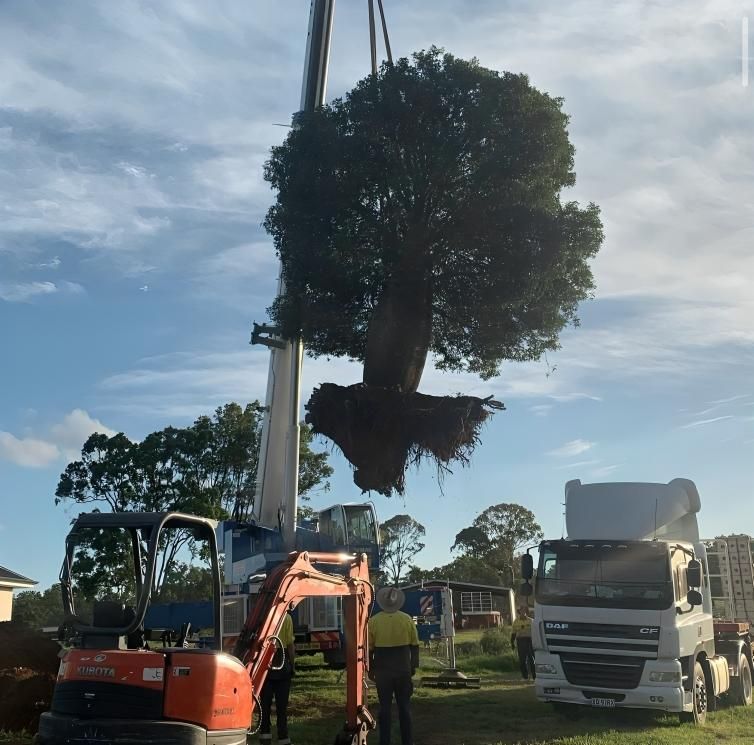
Removing a mature camphor laurel isn't a straightforward job. These trees are typically large, have extensive root systems and may be growing close to structures, fences or other established trees that need protecting during the removal process.
Local removal considerations also extend to correct disposal, since declared weed species have specific handling requirements to prevent regrowth or further spread. An arborist familiar with Toowoomba's regional declared weed list is best placed to assess whether a camphor laurel or similar species needs removal, and how to do it without damaging what's growing nearby.
How Local Arborists Adapt Tree Care To Toowoomba's Conditions
Tree care that works elsewhere in Queensland doesn't automatically translate to Toowoomba's conditions. A local arborist in Toowoomba builds their approach around the region's frost patterns, storm season timing and clay soil behaviour, rather than applying a one-size-fits-all maintenance schedule.
This might mean adjusting pruning timing to avoid frost-vulnerable periods, prioritising post-storm inspections through spring or recommending soil aeration for properties on heavier clay. Species selection advice also shifts locally — what thrives in a Toowoomba backyard isn't always what a coastal nursery guide recommends.
For homeowners, acreage owners, property managers and councils managing trees across parks, schools or community facilities, this local adaptation isn't a nice-to-have. It's the difference between a tree management plan that genuinely protects mature trees and one that reacts to problems after they've already taken hold.
Protecting Your Trees Through The Seasons: What Property Owners Can Do
Seasonal awareness is the most practical tool available to any property owner with mature trees on their land. Heading into winter, checking for early signs of frost stress and holding off on major pruning ahead of cold snaps helps established trees stay resilient. Heading into spring, scheduling a pre-storm-season inspection means existing weak points get identified before hail or wind turns them into real damage.
Through the wetter months, keeping an eye on drainage around root zones, particularly after heavy rain, can flag compaction or waterlogging issues early. For any property with older plantings of species like camphor laurel, an assessment of whether removal or ongoing management is the right call is worth having on file.
None of this requires constant intervention. A seasonal rhythm of observation, backed by a professional inspection when something looks off, is generally enough to keep mature trees healthy through Toowoomba's particular mix of climate and soil challenges. For more information, contact our team today!
Frequently Asked Questions
Does Toowoomba's Elevation Really Affect Tree Health Compared To Other Parts Of Queensland?
Yes. Sitting at around 700 metres on the Great Dividing Range gives Toowoomba cooler winters, frost exposure and a distinct storm pattern that coastal Queensland doesn't experience, all of which shape how mature trees grow and respond to stress.
Can Frost Damage Established Trees, Or Is It Only A Risk For Young Plantings?
Established trees generally handle frost better than young ones, but repeated cold snaps can still cause dieback in outer branches and slow spring growth, particularly in species not naturally suited to cooler climates.
What Tree Care Services Does Cut Above Tree Care Offer In Toowoomba?
Clay-heavy soil compacts easily and drains poorly, which restricts oxygen and water reaching root systems and can leave roots either waterlogged after rain or stressed during dry periods.
Do I Need An Arborist For Tree Pruning And Maintenance?
Camphor laurel is a declared weed in Queensland due to its invasive root system and seed spread, and mature specimens often need professional assessment to determine whether removal is the safest option.
How Often Should Mature Trees Be Inspected In Toowoomba?
A seasonal approach works well — a pre-winter check for frost vulnerability, a pre-storm-season inspection in late winter or early spring, and a post-storm check after any significant hail event.
Can Cut Above Tree Care Handle Land Clearing And Large Projects?
Arrange an inspection as soon as possible, since hail can cause hidden damage like cracked limbs or torn bark higher in the canopy that isn't visible from the ground and can lead to disease or pest problems if left unchecked.