Emergency Tree Services: What To Do After Storm Damage
Storms can transform a peaceful property into a scene of chaos in minutes. Uprooted trees, fallen branches, and damaged trunks are not just messy but dangerous. Knowing what to do immediately after tree-related storm damage is essential, whether you own a home, manage a commercial property, or oversee large developments. Quick, informed decisions protect your safety and property and pave the way for efficient recovery. This blog explains the key steps following storm damage, focusing on the importance of professional tree services and certified arborists in Toowoomba.
Ensure Safety First Before Inspecting Damaged Trees
Your safety is the top priority in the aftermath of a storm. Trees can become unstable, leaning against structures, tangled in powerlines, or shedding limbs without warning.
Tree damage may not always be obvious, and the risks are significant. Branches under tension can snap, uprooted trees may shift, and compromised trunks could collapse further.
- Avoid approaching or standing beneath damaged trees or large limbs.
- Keep people and pets away from the affected area until it’s safe.
- Never attempt to move or cut branches tangled in powerlines—immediately contact emergency services.
- Stay vigilant for root instability, leaning trees or cracked soil near tree bases.
You should consider further inspection only once the area is safe. If in doubt, call emergency tree services immediately.
Survey the Damage Without Touching Anything
A visual inspection can help you understand the scope of the damage, but it should be done carefully and without handling debris. This initial overview allows you to relay information to a qualified arborist in Toowoomba and begin planning the next steps.
- Walk around the perimeter of the site from a safe distance, avoiding unstable ground.
- Identify trees that are fully uprooted, snapped or leaning significantly.
- Note any branches that are suspended or hanging precariously.
- Look for damage to nearby structures, fences or parked vehicles.
Documenting this with photos is helpful for insurance purposes and when discussing the situation with a tree professional.
Recognise the Signs of a Tree Needing Removal
Not every damaged tree needs to be removed, but some indicate that removal is the safest and most responsible course of action. Leaving compromised trees in place can create ongoing risks to people and property.
- Trees with a split trunk or major limb failure often can’t be saved.
- Uprooted trees usually suffer irreparable root damage.
- Trees leaning severely or resting against structures are unlikely to stabilise.
- Recurrent breakage or decay within the canopy signals structural weakness.
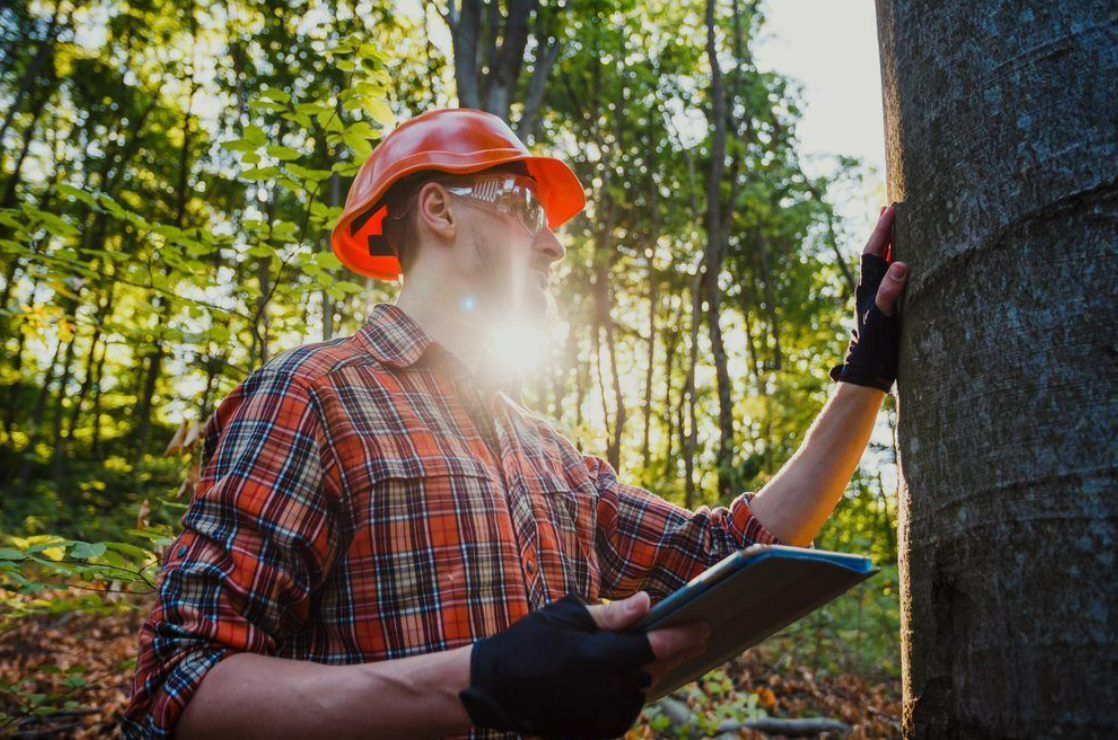
Professional arborists are trained to assess whether
storm damage tree removal is necessary or if corrective pruning may suffice.
Don’t Attempt DIY Tree Removal or Pruning
It’s tempting to clear away debris or lop off broken branches, especially if it looks like a quick job. However, storm-damaged trees are highly unpredictable and often more dangerous than they appear.
- Chainsaws, ladders and heavy limbs are a risky combination for the untrained.
- Hidden tensions in wood can cause sudden limb movement during cutting.
- Trees under stress behave unpredictably when disturbed.
- Improper cutting techniques can worsen the damage or create new hazards.
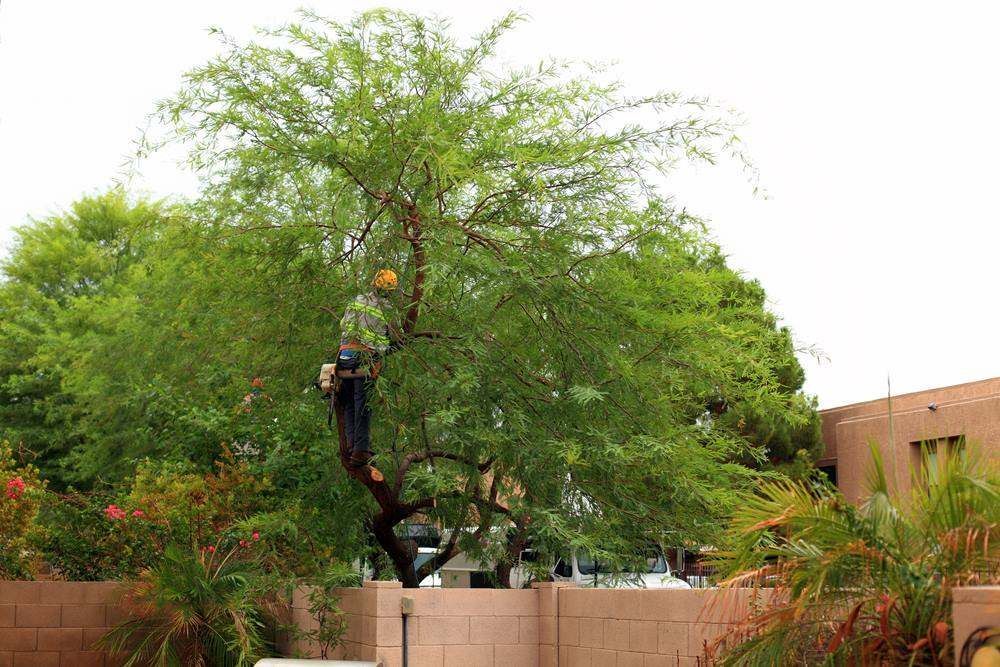
Certified arborists and emergency response teams have the equipment and training to carry out safe, controlled removal and pruning.
Call a Certified Arborist for Emergency Assistance
Contacting a certified arborist is the most important step after storm damage. Arborists provide critical expertise in assessing, managing and removing dangerous trees and debris, especially in complex or high-risk environments.
They don’t just cut down trees—they apply their training to determine the safest and most effective approach for each scenario.
- Arborists can quickly assess tree stability and safety risks.
- They use specialist equipment for controlled removals and branch reduction.
- Our certified arborists in Toowoomba often operate around the clock for storm response.
- Arborists may offer detailed reports that support insurance claims and council documentation.
A timely call to an arborist could prevent further property damage or personal injury.
Understand Insurance Implications for Tree Damage
After ensuring safety and securing emergency assistance, the next step is to address any insurance implications. Storm damage often leads to property claims, and having the correct documentation can speed up the process significantly.
- Take clear photos of all storm-related damage before cleanup begins.
- Keep a written record of observations, including times and dates.
- Contact your insurer to understand what’s covered under your policy.
- Request a professional assessment or damage report from your arborist.
- Don’t remove anything until your insurer gives the go-ahead or documents are submitted.
Insurance providers typically require proof of the extent of damage and details about professional services engaged.
Plan for Tree Pruning or Restoration, Not Just Removal
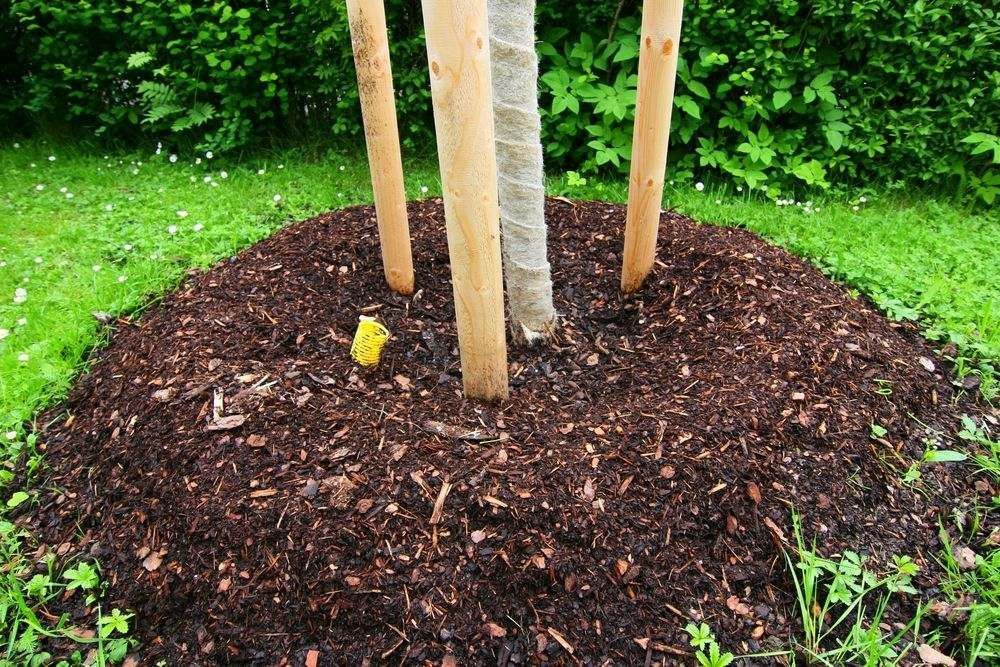
In some cases, trees can be saved. A certified arborist will assess whether corrective pruning or structural support is a better solution than full removal. Trees contribute long-term value to your property and local ecosystem, so restoration is often worth considering.
- Pruning helps remove dangerous or damaged limbs while retaining the tree’s structure.
- Cabling and bracing may stabilise split or partially compromised trees.
- Follow-up inspections help monitor recovery over time.
- Trees with minor canopy loss may regenerate well with proper care.
Our arborists often provide a tailored restoration plan based on the specific condition of each tree.
Prioritise Proper Cleanup to Prevent Further Hazards
Once emergency work is complete, it’s essential to clear the site thoroughly. Debris left behind after a storm can pose ongoing risks, impact other parts of your property, or attract pests.
- Remove loose limbs, brush and wood to reduce fire and tripping hazards.
- Stumps should be ground to prevent regrowth or root decay issues.
- Clean out blocked gutters, drains or downpipes impacted by fallen foliage.
- Dispose of green waste responsibly or through local council pickup programs.
Engaging a certified arborist for cleanup, ensures the site is left safe, tidy, and ready for recovery or replanting.
Need Urgent Tree Removal? We’re Here to Help
At Cut Above Tree Care, we understand that storm damage can feel overwhelming. Whether you need emergency tree removal, expert pruning, or post-storm cleanup, our team of certified arborists in Toowoomba is ready to help. We respond quickly, work safely, and restore peace of mind to homeowners and businesses alike.
If you’re facing tree damage after a storm, give us a call for professional assistance or visit our website to book a consultation.
Let’s bring your property back to safety—together.