Tree Removal In Toowoomba: What To Expect From A Professional Arborist
Tree removal is one of those tasks that looks straightforward from the ground, yet involves far more planning, skill and precision than most people realise. Whether dealing with overgrown branches, ageing trees or sudden damage after a storm, safe and efficient removal requires specialist knowledge and the right equipment. That’s why property owners often turn to a trained arborist in Toowoomba who understands local tree species, council guidelines, seasonal conditions and the correct methods for removing trees without putting people or property at risk.
If you’re preparing for tree removal in Toowoomba, knowing what to expect can make the process far smoother. The steps below outline how a professional arborist handles each stage, from the first assessment to the final clean-up, and why professional involvement is essential for storm-damaged trees, hazardous species and larger projects such as tree lopping.
1. The Initial Assessment and Site Inspection
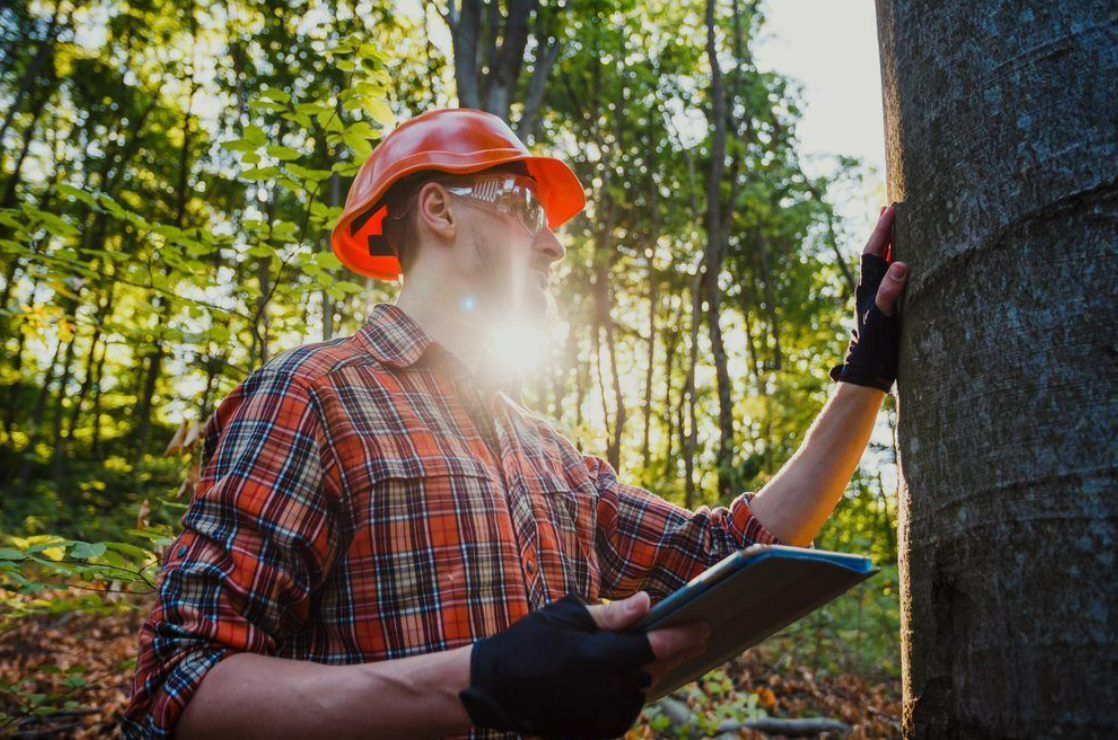
Tree removal always begins with a thorough assessment. A certified arborist evaluates the tree, its health, its position on the property and the potential risks involved. This step ensures the right method is chosen and the safest approach is planned.
During this assessment, the arborist looks at:
- The age and overall condition of the tree
- Visible signs of decay, disease or structural weakness
- Signs of termite activity or internal hollows
- Root spread and how it affects surrounding structures
- Proximity to fences, buildings, powerlines or sheds
- The extent of damage if the tree has been affected by storms
Storm-damaged trees are a particular safety concern. They may appear stable from the outside yet contain cracks, splits or internal stress points that can fail suddenly. A professional arborist knows how to identify hidden dangers that non-specialists may miss.
This assessment stage also helps determine whether complete removal is necessary or whether tree lopping, shaping or selective pruning is a safer and more cost-effective alternative.
2. Planning, Permissions and Safety Preparations
Once the tree has been assessed, the arborist prepares a detailed plan for removal. This includes deciding how to dismantle the tree, which tools are required and how many team members are needed for safe operation.
A professional arborist also ensures compliance with relevant rules or council guidelines, especially if the tree is protected or located in a sensitive area.
Safety preparations may include:
- Securing the surrounding area with barriers or signage
- Planning escape paths for workers on the ground
- Inspecting climbing gear, harnesses and rigging equipment
- Positioning machinery for efficient access
- Identifying nearby hazards such as loose soil, electrical lines or unstable limbs
Tree removal is not only about cutting the trunk. It’s also about controlling how the tree behaves as sections come down, ensuring every cut is predictable and secure.
3. Tree Lopping and Branch Removal
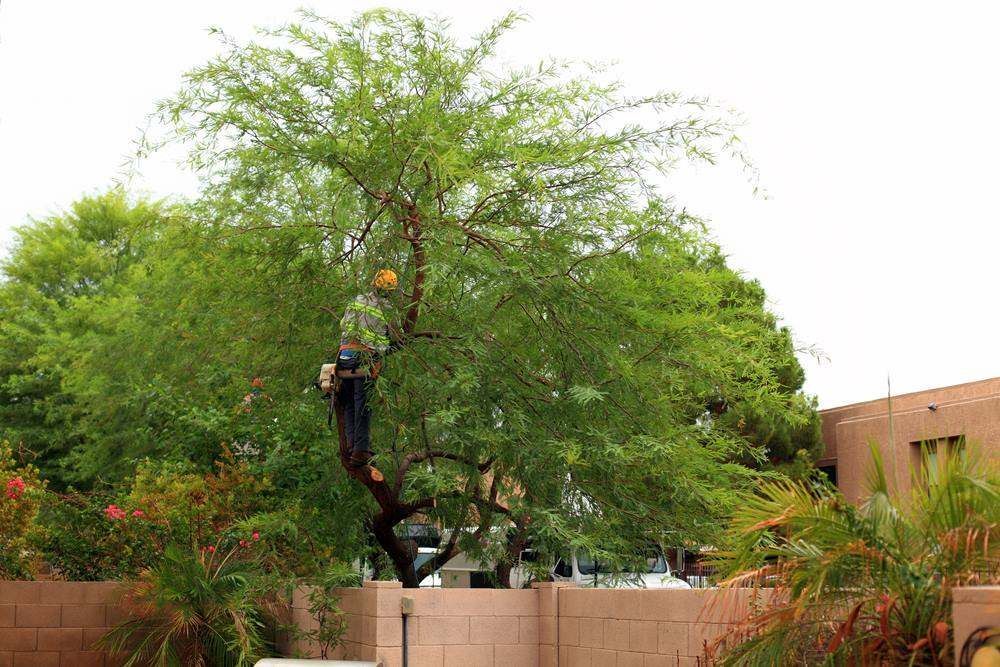
Before the trunk is dismantled, tree lopping and branch removal are carried out. This is a controlled process where an arborist removes limbs in sections to reduce the overall size and weight of the tree. For large or awkwardly positioned trees, this stage is crucial to prevent branches falling unpredictably.
Tree lopping may involve:
- Cutting back overhanging limbs
- Removing dead or weakened branches
- Creating safe anchor points for climbers
- Reducing the crown to make removal safer
While some property owners request tree lopping as a stand-alone service for aesthetic or safety reasons, it’s also an important part of preparing a tree for full removal. Skilled lopping makes the next steps faster and safer.
4. Section-by-Section Tree Removal
After the crown and upper branches are managed, the arborist begins removing the trunk. Rather than felling the entire tree in one motion — something rarely possible in residential or commercial environments — professional arborists dismantle the tree piece by piece.
Depending on access and the tree’s size, the arborist may:
- Use ropes and rigging systems to lower each section safely
- Cut the trunk into manageable sections
- Use cranes for extremely large or dangerous trees
- Employ specialist climbing techniques when machinery access is limited
This methodical process prevents accidents, protects surrounding buildings and ensures the ground crew can work efficiently. It also minimises disruption to your property and reduces the impact on nearby gardens, lawns and landscape features.
5. Stump Grinding or Full Stump Removal
Once the visible part of the tree is removed, you’re left with a stump. Some property owners choose to keep stumps for garden seating or decorative purposes, but most prefer them professionally removed to avoid regrowth, termite attraction or trip hazards.
Your arborist may recommend:
- Stump grinding, here the stump is shaved below surface level
- Full stump removal, which includes removing major root structures
- Poisoning treatments, used when regrowth needs to be prevented
Stump grinding is the most common choice because it is efficient, reliable and leaves the area ready for new plants, turf or future landscaping.
6. Clearing Debris and Thorough Site Clean-Up
Professional arborists never leave a site in disarray. Once the stump is handled, the crew moves to the clean-up stage. Branches, trunk sections, sawdust and other debris are removed to ensure the property is tidy and safe.
The clean-up typically includes:
- Chipping branches and green waste
- Stacking usable timber if the homeowner requests it
- Removing all leftover debris
- Raking and clearing sawdust
- Tidying the area so it’s safe to walk on immediately
This step is especially important for properties with children, pets or outdoor living spaces.
7. Property Restoration and Post-Removal Advice
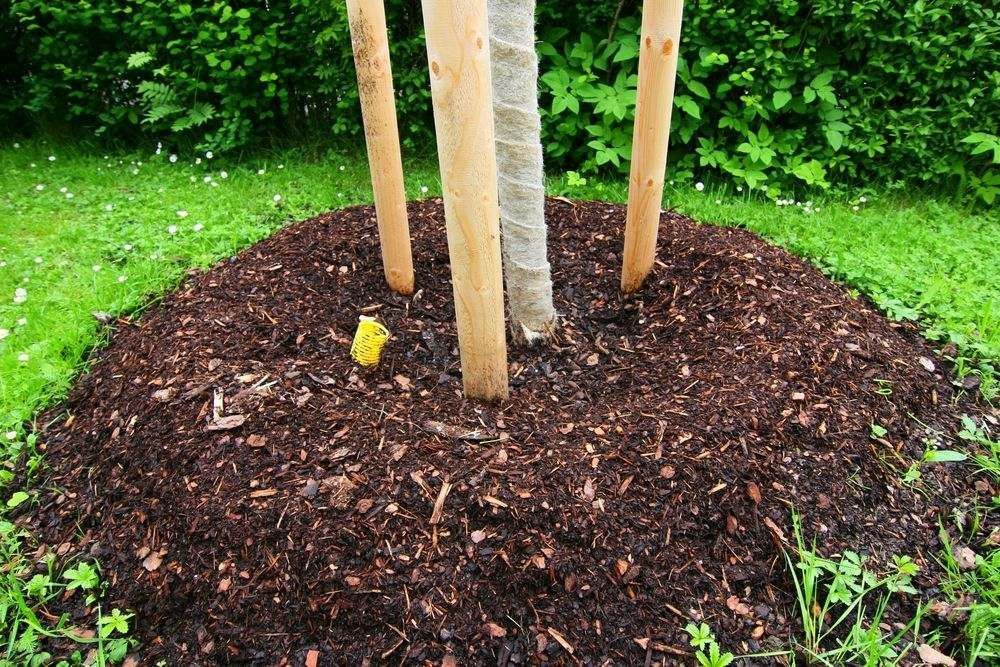
After the site is cleared, the arborist provides guidance on restoring the affected area. This may include reconditioning the soil, improving drainage around the removed root system or planning suitable replacement plants.
Post-removal advice often covers:
- How to prevent soil sinking where the stump once was
- Timing for replanting new trees or shrubs
- Identifying tree species more suitable for the property
- Managing remaining root systems if they extend beneath pathways or garden beds
An experienced arborist understands how the removal affects the wider environment, helping you restore balance and maintain property health.
8. When Emergency Tree Removal Is Required
Not all tree removals can be planned in advance. Storms, high winds and heavy rainfall can cause sudden structural damage, leaving trees leaning, splitting or shedding heavy limbs. These situations require urgent, skilled attention.
A professional arborist is trained to:
- Assess dangerous trees quickly and accurately
- Stabilise limbs that are at risk of falling
- Use specialised equipment to manage unstable trunks
- Remove hazardous trees without worsening the damage
Storm-damaged trees are unpredictable and often unsafe to approach without training. Relying on a professional ensures both immediate safety and long-term protection for your property.
9. Why Hiring a Professional Arborist Matters
Tree removal is not a DIY task. Attempting it without the right training and equipment can lead to injuries, property damage and unexpected complications. Hiring a professional arborist ensures you’re working with someone trained in tree biology, correct cutting techniques, risk management and safe equipment handling.
A trained arborist in Toowoomba provides:
- Precision handling of complex removals
- Compliance with safety standards
- Knowledge of local tree species and common hazards
- Proper waste disposal and clean-up
- Peace of mind that the job is done safely and correctly
It’s an investment in safety, efficiency and long-term property care.
The Trusted Arborists in Toowoomba
At Cut Above Tree Care, we understand how vital it is to remove hazardous, overgrown or storm-damaged trees quickly and safely, especially with the weather patterns and soil conditions common across the Toowoomba region. Whether you need urgent tree removal, tree lopping, stump grinding or ongoing arborist support, our team has the equipment, training and experience to restore your property with care and precision. Visit our website to arrange an assessment or organise professional help from a trusted local team.