How Toowoomba’s Drought & Dry Spells Impact Your Trees — What Arborists Recommend
Dry weather doesn’t always announce itself with dramatic signs. A tree can look mostly fine from the street, still throwing shade and holding its shape, while internal stress builds month after month. The tricky part is that drought effects often begin below ground and inside the timber, not on the leaf surface. That is why working with an
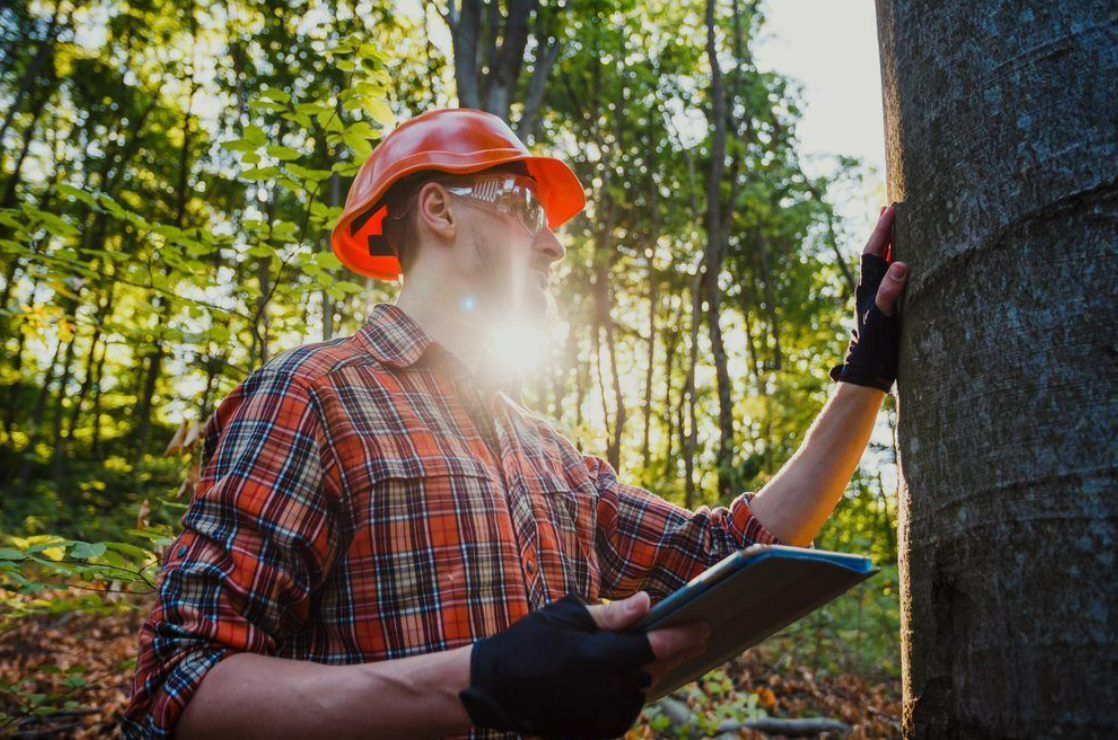
arborist in Toowoomba is less about reacting to obvious decline and more about identifying early risk, preserving tree health and protecting people and property. Dry spells change soil behaviour, restrict root function, increase pest pressure and can set the stage for sudden limb drop or whole-tree failure, especially when trees are already carrying old pruning wounds or uneven canopies.
When Roots Retreat, Stability Changes
Roots respond to dry soil by shifting where they grow and what they prioritise. Fine feeder roots, the ones responsible for most water and nutrient uptake, are often the first to die back in extended dry conditions. As that network shrinks, the tree becomes less efficient at hydration and nutrition, even if the trunk and canopy still look intact. Root loss also affects anchorage, which matters when wind loads return or heavy limbs pull against the root plate. An arborist inspects the root zone, surface movement and canopy balance to understand how much stability has changed.
Practical warning signs include:
- Cracking soil & lifting around the base
- Reduced leaf size in new growth
- Thinning at the outer canopy edge
- Increased sway compared with past seasons
The Canopy Tells A Story Over Time
Leaves are often treated as the main drought indicator but canopy changes can be subtle and cumulative. Instead of obvious wilting, trees may reduce leaf density, shorten new shoots or shed selectively from the tips. Some species hold foliage while reallocating resources away from less productive limbs. From a distance, that looks like normal seasonal variation, yet it can be the start of long-term decline. Arborists read canopy distribution, shoot extension and dieback patterns to determine whether the tree is coping or merely surviving.
Common canopy patterns linked to dry spells:
- Patchy density rather than uniform cover
- Sparse growth at branch tips
- Dead twigs scattered throughout
- Regrowth clustered near the trunk
Dry Soil Turns Hard, Then Roots Struggle
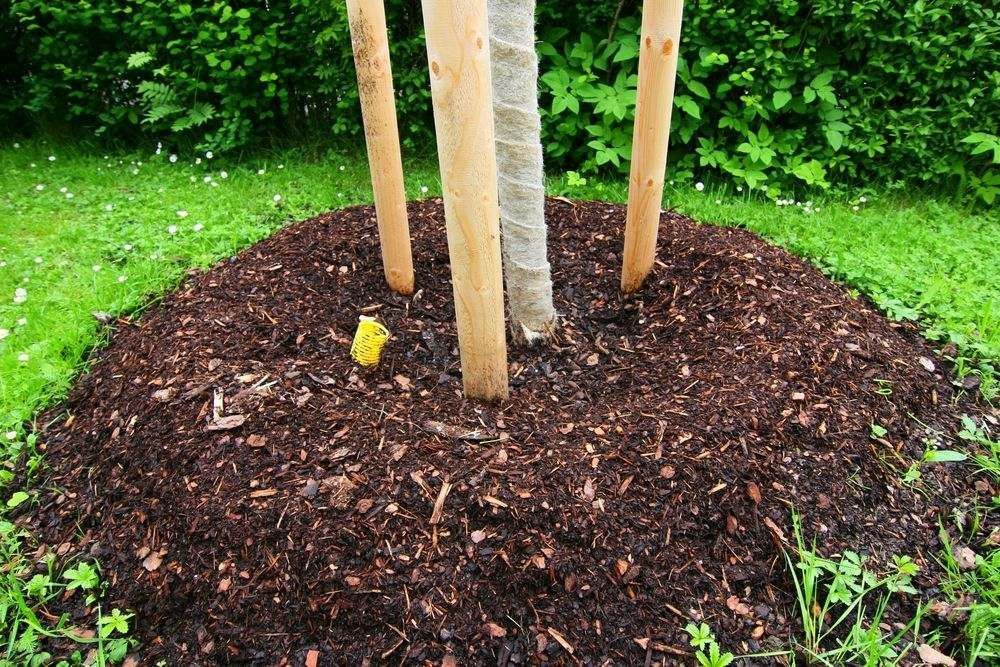
During prolonged dry periods, soil can become hard-setting, reducing the pore spaces that normally hold water and oxygen. Once those spaces collapse, roots struggle to breathe, new roots struggle to form and water from later rainfall may run off rather than soaking in. Even careful hand watering can be less effective if water cannot penetrate the root zone. An arborist can identify soil compaction and advise practical approaches that support infiltration and root function without causing additional disturbance.
Soil issues arborists commonly manage:
- Compaction from traffic & maintenance access
- Poor infiltration leading to surface runoff
- Reduced organic activity in the root zone
- Crusting that sheds water away from roots
Pests Notice Stress Before People Do
Trees under moisture stress often produce fewer defensive compounds and may struggle to seal off minor injuries. That creates opportunities for pests and pathogens that target weakened tissue. In many cases, the first clear sign is not the pest itself but an increase in deadwood, sap seepage or bark cracking. Professional assessment matters because pest problems can compound quickly when the tree’s recovery capacity is already limited. Arborists look for early indicators and can recommend pruning or tree lopping to remove compromised material and reduce ongoing strain.
Early stress-related pest indicators:
- Dieback that progresses steadily outward
- Unusual bark splits or shedding patches
- Sawdust-like frass at branch unions
- Deadwood forming faster than expected
Branch Dieback Is Load Shedding
In extended dry spells, trees sometimes reduce their workload by abandoning certain branches. This is not a tidy process. Branches may die slowly, creating brittle sections that remain lodged in the canopy. That deadwood can snap with little warning, especially when wind picks up or when a branch is carrying weight from older growth. Arborists treat dieback as both a health signal and a safety issue. Carefully planned pruning and tree lopping can remove hazardous deadwood, reduce canopy demand and help the tree focus resources on viable structure.
Dieback concerns to take seriously:
- Multiple dead limbs in one canopy zone
- Deadwood above access paths or structures
- Loss of foliage only on one side
- Epicormic shoots forming in clusters
Why Sudden Failure Happens After Dry Spells
A common misconception is that the highest risk is during the driest weeks. In reality, failure risk can rise when conditions change, such as gusty weather after a long dry period or rapid regrowth following rain. Dry timber can be brittle and crack-prone, while drought-weakened roots may not hold well during shifting loads. This can lead to sudden limb drop, splitting at unions or, in severe cases, partial root plate movement. Arborists assess weight distribution, attachment strength and defects that become more dangerous under drought stress.
Risk factors that elevate failure likelihood:
- Heavy limbs extended far from the trunk
- Old pruning wounds that never sealed well
- Leaning stems with limited root support
- Tight unions that show early splitting
Tree Lopping Used The Right Way Reduces Risk
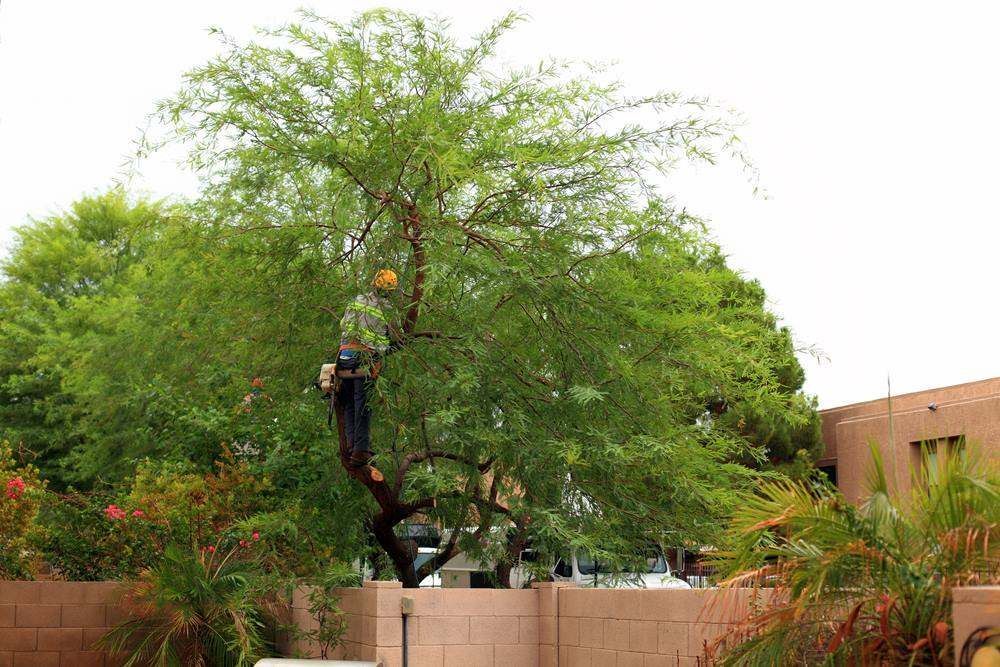
Tree lopping is often talked about as a blunt solution but in professional hands it can be a targeted drought management tool. The goal is not to hack a tree back but to reduce leverage, remove unsafe limbs and rebalance the canopy so the tree demands less water and carries less structural stress. When performed with clear intent, tree lopping can lower the chance of failure and reduce the spread of dieback by removing struggling branches before they become brittle hazards. It also helps prevent overloading of one side of the canopy, which can matter when roots are compromised.
Benefits of correctly planned lopping include:
- Reduced end weight on long limbs
- Improved canopy balance & clearance
- Lower water demand during recovery
- Removal of dead or declining branches
Pruning Decisions Should Match The Tree’s Condition
Dry spells change what a tree can tolerate. A tree with strong reserves may handle selective pruning well, while a severely stressed tree may need a lighter touch to avoid shock. Professional arborists consider timing, species response and the amount of live canopy to retain so that the tree can still photosynthesise effectively. This is also why one-size-fits-all trimming can backfire, leading to rapid, weak regrowth or extended decline. A proper assessment creates a plan that supports safety and recovery together.
What a tailored plan usually considers:
- How much live canopy can be removed safely
- Where weight reduction will improve stability
- Which limbs are declining versus salvageable
- Whether staged work is safer than one visit
Small Interventions Now Prevent Bigger Costs Later
Waiting until a branch falls or a tree drops a major limb often results in urgent, expensive work and avoidable damage. Earlier inspections during dry conditions can identify stress patterns and hazards while there is still time to manage them calmly. Proactive tree lopping, deadwood removal and structural pruning reduce risk while supporting the tree’s ability to recover when conditions improve. This approach is particularly important for mature trees that contribute shade, privacy and property value, because replacement is slow and often costly.
Early action commonly delivers:
- Lower emergency call-out risk
- Reduced likelihood of property damage
- Better long-term canopy structure
- Clear guidance on ongoing maintenance
Book A Local Tree Health Assessment
We at
Cut Above Tree Care help Toowoomba homeowners, acreage owners and property managers protect their trees through dry spells with qualified inspections, practical recommendations and professional tree lopping when it’s needed. If you’re noticing canopy thinning, deadwood, branch dieback or you simply want peace of mind about safety,
contact us to call, book an assessment or organise a site visit.