When Is It Too Late To Save A Dying Tree?
Trees are a valuable part of any landscape, providing shade, beauty, and environmental benefits. However, like all living things, trees can become diseased, damaged, or stressed, and in some cases, they may not survive. Knowing when a tree can be saved and when it’s too late is crucial for homeowners and business owners looking to protect their property and ensure safety.
Identifying the early signs of a dying tree and acting promptly can sometimes prevent removal, but severe cases require professional intervention. Here’s how to determine whether a tree can be revived or if it’s beyond saving.
Signs a Tree May Still Be Saved
Before assuming a tree is beyond recovery, it’s important to look for signs of life. Some trees appear unhealthy but can be restored with proper care.
- Budding or Leaf Growth: If new leaves are sprouting, even in limited areas, the tree may still have life in it.
- Flexible Branches: Healthy branches bend without snapping. If only the outer branches were brittle, the core of the tree might still be viable.
- Partial Canopy Loss: A tree losing some foliage due to disease or stress may still recover with professional treatment.
- No Significant Trunk Damage: Cracks or wounds in the bark that are not too deep can heal with proper care.
When It’s Too Late to Save a Tree
Some trees suffer irreversible damage due to disease, structural failure, or environmental stress. When certain symptoms appear, removal may be the only option.
- Severe Trunk Damage: Large cracks, hollow sections, or peeling bark often indicate internal decay. A tree with a compromised trunk poses a significant safety risk.
- Extensive Dead Branches: If more than half the branches are lifeless and brittle, the tree is likely too damaged to recover.
- Fungal Growth at the Base: Mushrooms or fungal growth on the trunk suggests internal rot, which weakens the tree’s structure.
- Leaning or Unstable Roots: If a tree begins to lean significantly or the roots are exposed and weak, it may be at risk of falling.
- No Leaf Growth for Multiple Seasons: If a tree fails to produce leaves or buds year after year, it is likely no longer viable.
Worried About a Dying Tree? Get a Professional Assessment Today
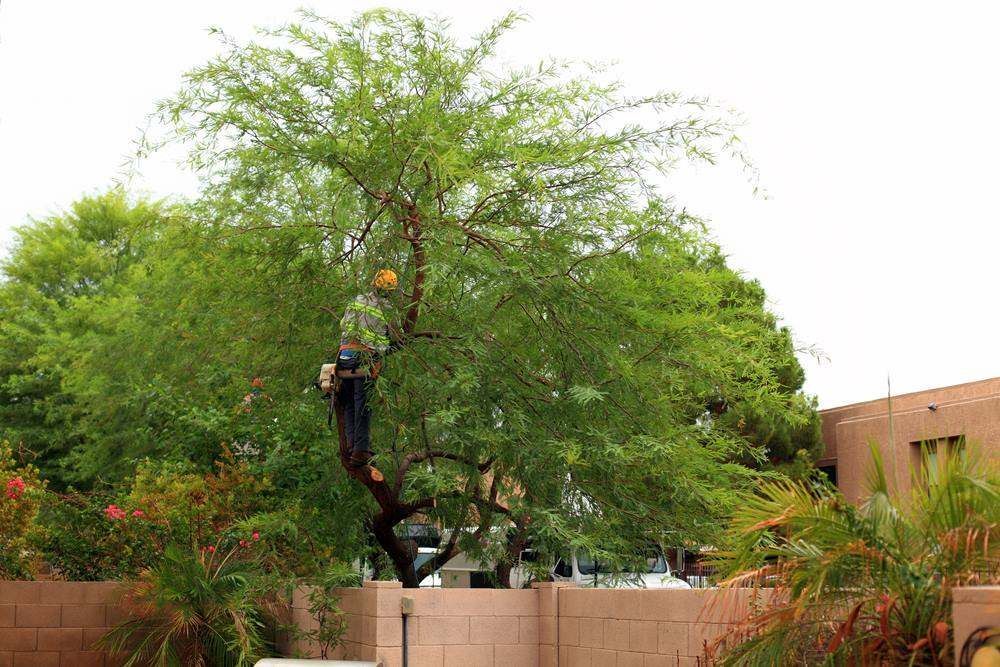
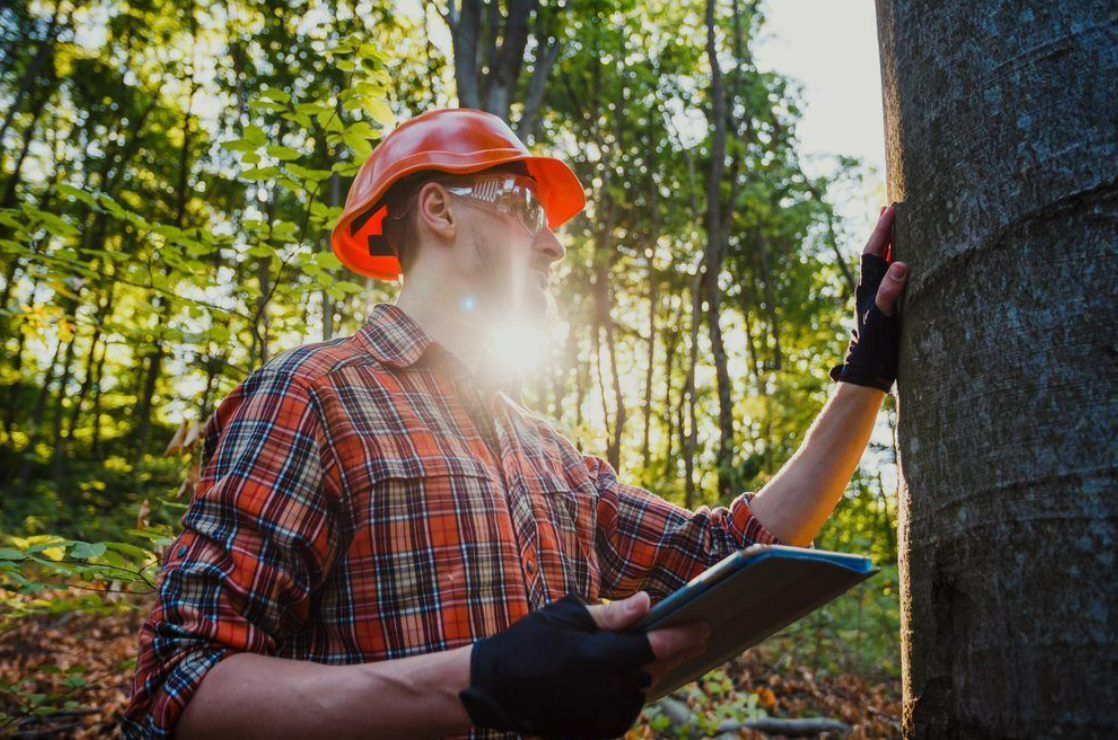
If a tree appears unhealthy, consulting a tree care professional can help determine whether treatment or removal is necessary. A qualified arborist can assess the tree’s condition, recommend appropriate solutions, and safely remove hazardous trees if needed.
At
Cut Above Tree Care, we provide expert assessments, tree care solutions, and safe removals for homeowners and businesses. Whether a tree needs
pruning, disease treatment, or professional removal, our team ensures the best outcome for your landscape and safety.
Contact us today for a consultation.